



Nine in ten vets and vet nurses describe their work as stressful. If you are running a veterinary practice, you already know what sits behind that number. The question is what to do about it.
The RCVS Survey of the Professions is the most comprehensive look at the UK veterinary workforce, conducted every four to five years. Its 2024 findings will feel familiar to most practice managers. Teams are stretched. The gap between what people are contracted to do and what they are actually asked to do is wide. And the reasons people are considering leaving have very little to do with clinical work and a great deal to do with how the working week feels.
This piece looks at what the data tells us, and more importantly, what it means for the decisions practice managers are making right now.
91% of vets and 93% of vet nurses describe their work as stressful.
RCVS Survey of the Professions 2024 (6,987 responses, 19% response rate)
Your team is working more than their contracts say
Full-time vets are working an average of five hours above their contracted hours every week. For those in equine practice or veterinary schools, that rises to seven. These are not occasional overruns during busy periods. They are the structural reality of how the working week operates.
For practice managers, this has a direct and practical implication. When people are consistently working beyond what they signed up for, the first thing that erodes is their sense that the practice respects their time. In practice, it shows up in how willing people are to cover at short notice, how much patience they have for difficult clients, and eventually in whether they stay.
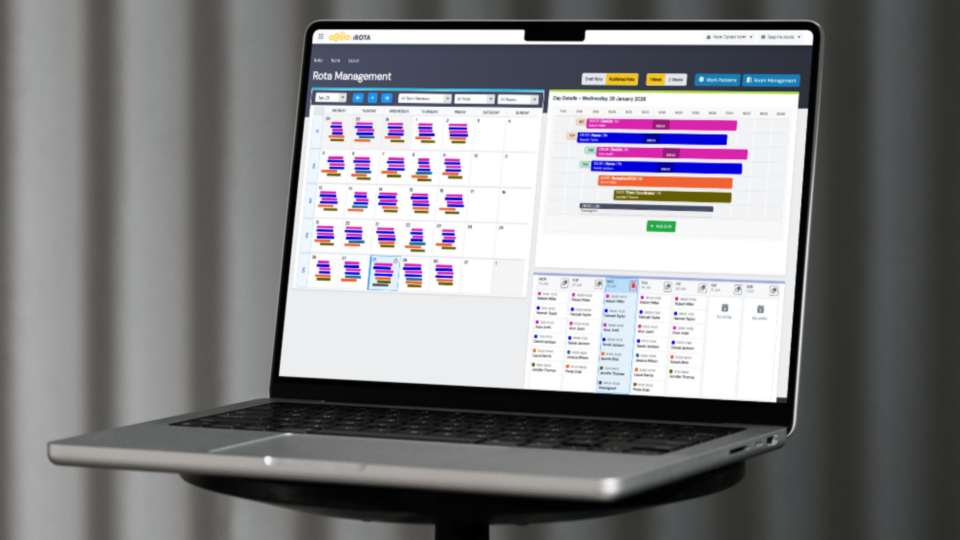
It is also worth looking at the scheduling picture. If the rota means people regularly exceed contracted hours, that is usually a structural issue rather than a reflection of anyone’s commitment. The rota planning guide on our insights page covers what good scheduling looks like in practice.
Why people are thinking about leaving, and what it tells you
The survey asked those considering leaving why. Poor work-life balance is the most common reason, given by more than half of respondents. Chronic stress follows closely. Feeling undervalued in a non-financial sense is third. Pay does not feature at the top of the list.
The top reasons for considering leaving are not about money. They are about how the working week feels, and whether people feel genuinely supported in their roles.
RCVS Survey of the Professions 2024
For a practice manager, this is both difficult and useful information. Difficult because you cannot simply resolve it with a pay review. Useful because the things driving disengagement are, in many cases, things that practice management can actually influence: how fair and predictable the schedule is, how supported people feel when they face difficult situations, and whether the practice has the structure in place to manage people well rather than just react to problems.
The survey also found overall turnover rates remain relatively low. But the reasons people give for considering leaving tell a more telling story. People do not tend to disengage overnight. It is a gradual process, which means it can usually be reversed if it is caught early enough.
The administrative load is a management problem, not just a time problem
One of the less visible pressures on practice managers is the administrative overhead that comes from running HR, scheduling, and staff development across disconnected systems. When contracted hours live in one place, leave records in another, and training logs somewhere else entirely, the time cost of keeping everything aligned is significant.
That time cost matters beyond the hours it takes. A practice manager who is absorbed in administrative cross-referencing has less capacity for the things that directly affect retention: noticing when someone is struggling, having a development conversation before it becomes a resignation conversation, building the kind of culture where people feel seen as individuals rather than resources.
The CMA’s final decision in March 2026 has added a further layer to this. Practices are now required to display pricing information, provide itemised invoices, and share clinical records more readily with clients. For most practices, those requirements fall to the practice manager to implement and maintain on top of everything else the role already carries. Practices with clear operational systems in place will absorb them more easily. What the CMA decision means for veterinary practices covers the practical steps.
What the data suggests makes a difference
Looking across the data and what we see in practice, the teams navigating this period most effectively are not necessarily the largest or the best-resourced. They are the ones that have put consistent foundations in place and treat operational management as a priority rather than an afterthought.
They schedule fairly and with enough notice
A rota that consistently feels uneven or last-minute erodes team goodwill faster than almost anything else. Practices that build schedules on accurate contracted data, and review distribution regularly, create an environment where people feel their time is respected.
They keep HR records in order
When contracts, policies, and personnel files are well-maintained and accessible, managers spend less time firefighting and more time managing. This matters for compliance and for culture. HR software built for veterinary practices makes this considerably more manageable.
They develop the whole team, not just the clinical staff.
The RCVS CPD requirement applies to vets and nurses, but the situations demanding non-clinical skill belong to every role. Practices that invest in structured development for everyone build more confident, more resilient teams. The case for non-clinical CPD sets out what this looks like in practice.
They give managers the capacity to actually manage.
This is the one that underpins everything else. When the administrative overhead is lower, practice managers have the headspace to notice problems early, have the right conversations, and build the kind of team environment where people choose to stay.
Where to go from here
The data does not describe a profession in crisis. It describes one under sustained pressure, where most of the contributing factors are identifiable and many are addressable. The practices in the strongest position tend to be those with consistent operational foundations in place, not necessarily the largest or the best-resourced.
The staff retention guide on our insights page covers specific areas in practical detail, from scheduling to onboarding to development.