


Vet CPD – hours, logging and what counts

Continuing professional development (CPD) is a mandatory requirement for all registered veterinary surgeons in the UK. This guide covers how many hours vets need, what qualifies, and how to stay on top of your recording and reflection obligations.

online vet cpd supports good practice

How many CPD hours do vets need?

Veterinary surgeons registered with the RCVS must complete a minimum of 35 CPD hours every calendar year. This is a mandatory requirement of RCVS registration and cannot be carried forward – hours must be completed, recorded and reflected on within the same calendar year. Visit our other guide for information on CPD requirements for veterinary nurses.

The 35-hour minimum can be made up of a combination of clinical and non-clinical learning. The balance will depend on your individual role and development needs, but the RCVS encourages a mix of both. There is no fixed requirement for how many hours must be clinical versus non-clinical.

online cpd education for veterinary surgeons

What counts as vet CPD?

Any learning that is relevant to your professional role can count towards your annual CPD requirement. This includes both formal and informal learning activities. Examples include:

  • Online courses and e-learning modules
  • In-person lectures, conferences and seminars
  • Practical attendance and hands-on training courses
  • Self-directed reading of journals, articles and clinical guidance
  • Case discussions with colleagues in practice
  • Webinars and virtual learning events
  • Mentoring or being mentored

The RCVS does not prescribe a set list of approved activities. The key test is whether the learning is relevant to your role and supports your professional development.

Non-clinical topics – such as communication skills, leadership, wellbeing, equality and diversity, and practice management count just as much as clinical CPD. Building a rounded mix of both is widely considered good practice.

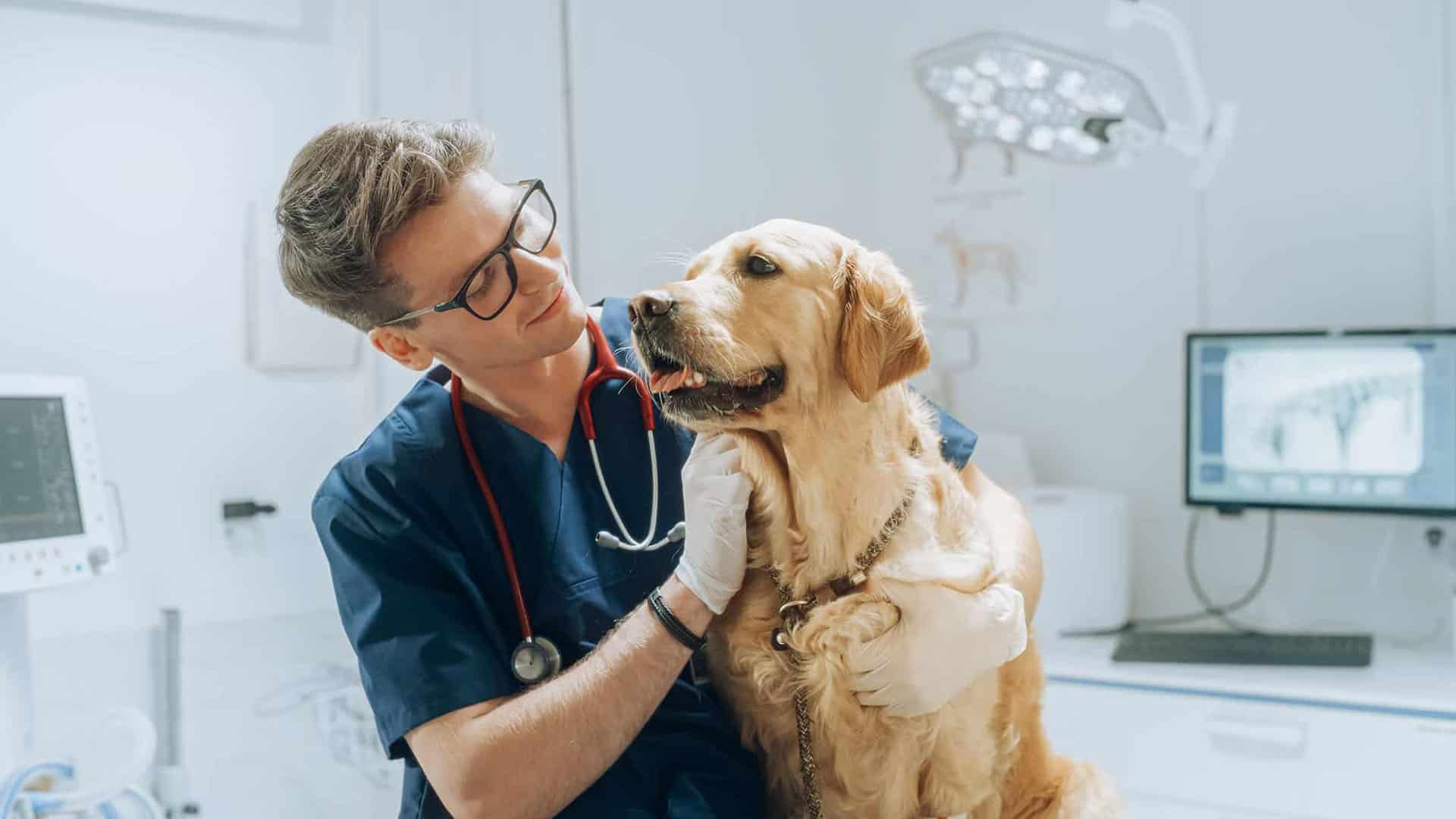
a veterinary surgeon puts skills into practice whilst examining a dog

The RCVS outcome-focused CPD framework

The RCVS uses an outcome-focused approach to CPD, built around four stages:

Plan

Set clear objectives for what you want to learn and why. Think about your current development needs, any gaps in your knowledge or skills, and where you want your career to go.

Do

Participate in learning activities that are relevant to your role and your objectives. This can be structured learning such as courses or conferences, or informal learning such as case discussions or self-directed reading.

Record

Log each CPD activity in the RCVS 1CPD app as you complete it. You will need to enter the activity details, the date, the number of hours, and a reflection.

Reflect

Reflection is a mandatory element of the RCVS CPD framework, not an optional extra. Your reflection should consider what you learned, what it means for your practice, and what you will do differently as a result.

Can vet CPD hours be rolled over?

No. CPD hours cannot be carried forward from one calendar year to the next. Veterinary surgeons must complete, record and reflect on 35 hours within each calendar year.

If you fall short in a given year, the RCVS may take action as part of its CPD audit process. Recording your CPD as you go, rather than retrospectively at year end, makes it far easier to track progress and avoid gaps.

What can I log as vet CPD?

Anything that is relevant to your role can count as CPD, clinical or non-clinical. And that can include informal learning – case discussions in practice for example – as well as more formal learning such as online courses or in-person training. Veterinary professionals can log a variety of learning activities as CPD.

How do I log CPD?

Vet CPD must be logged through the RCVS app 1CPD. The app is free to download and use for all vets and offers everything needed to accurately plan, log and reflect on your CPD.

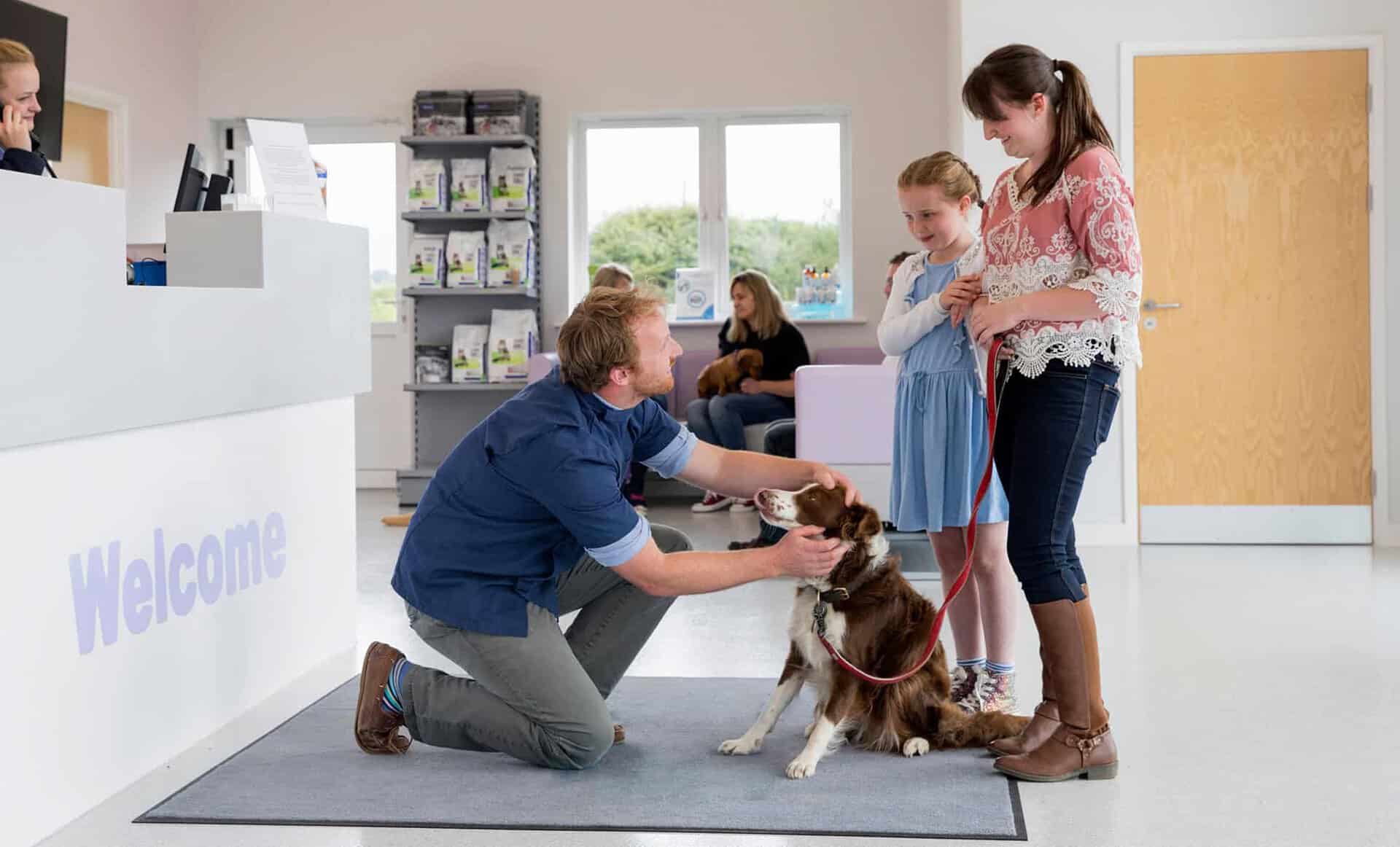
a young vet welcomes a family with their pet into the practice

Planning your CPD

Although 35 total hours may not seem a lot, the demands of veterinary practice can make it challenging to find time for CPD. Effective planning will help you to make the most of your learning and recording and reflecting on your CPD at the time of completion will make life easier in the long run. Remember anything related to your job role can count as CPD, including:

Online courses
In-person lectures
Self-directed reading
In-practice learning
Practical attendance courses

By planning ahead, you can prioritise CPD opportunities that align with your career aspirations as well as addressing any gaps in your knowledge

How to record your CPD

All vet CPD must be recorded through the RCVS 1CPD app. The app is free to download and use for all registered vets and RVNs, and is available on iOS and Android as well as via desktop browser at onecpd.rcvs.org.uk.

For each activity, you will need to log:

  • The type of learning activity
  • The date it was completed
  • The number of hours
  • A written reflection

Recording each activity at the time of completion is strongly recommended. Trying to reconstruct a full year of CPD retrospectively is time-consuming and risks inaccuracy.

How to reflect on your CPD

Reflection is what makes CPD meaningful rather than just a compliance exercise. The RCVS requires a reflection for every logged activity. A useful framework is to ask yourself three questions:

What have I learned? Summarise the key knowledge or skills gained from the activity.

So what does this mean for me? Consider how the learning applies to your role, your team or your patients.

Now what will I do differently? Identify any changes to your practice, behaviour or approach that the learning has prompted.

Your reflection does not need to be lengthy. A few sentences per activity is sufficient, provided it is honest and specific to what you actually learned.

Looking for CPD courses to get started?

If you are looking for relevant, flexible CPD to count towards your annual hours, Agilio iLearn offers over 9 hours of free non-clinical veterinary CPD with no credit card required. Courses cover topics including wellbeing, communication, leadership and practice management, and certificates are generated automatically on completion.