



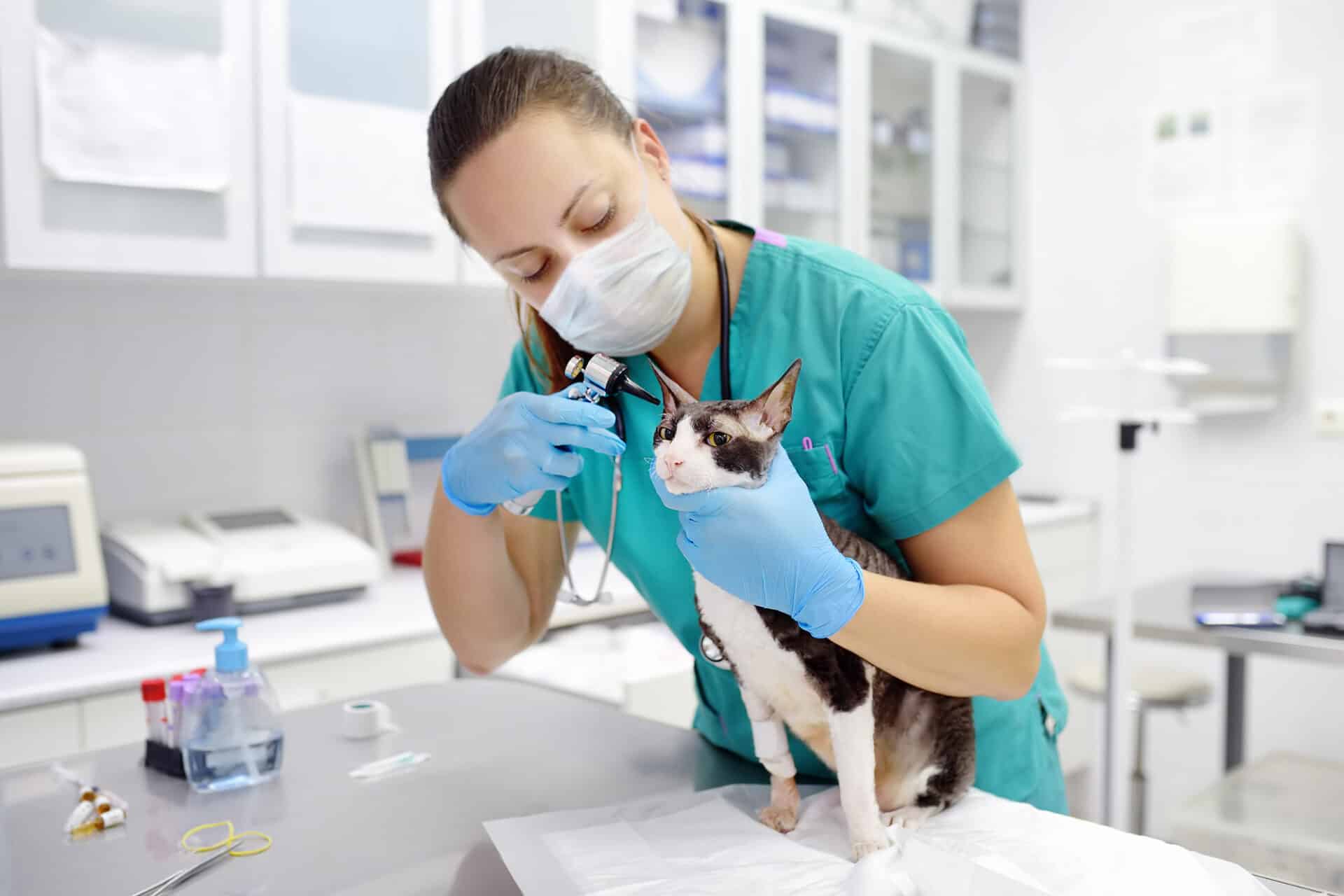
Considering a career as a veterinary nurse? This guide explains what veterinary nurses do day to day, the qualifications and experience you need, and the different routes into the profession. It also highlights how ongoing CPD and good HR support will shape your career once you are qualified, so you can plan not just how to get into veterinary nursing, but how to thrive in it.
Key takeaways
- Veterinary nurses play a vital role in animal care, providing essential support to veterinary surgeons and improving the lives of sick and injured animals.
- You will need a mix of qualifications, usually including GCSEs and either a Level 3 Diploma or a higher education degree, plus practical experience in approved veterinary practices.
- Once qualified, you must register with the RCVS and complete CPD every year to stay up to date.
- Professional associations, good CPD and supportive HR software solutions can all help you build a long term, rewarding career as a veterinary nurse.
Understanding the role of a veterinary nurse
Veterinary nurses are the unsung heroes of animal care, providing essential support to veterinary surgeons and ensuring the well-being of sick and injured animals. Their responsibilities are as diverse as they are critical, ranging from assisting in medical treatments and surgeries to supporting pet owners and running preventative health clinics.
Veterinary nurses are the unsung heroes of animal care, providing essential support to veterinary surgeons and ensuring the wellbeing of sick and injured animals. Their responsibilities are as diverse as they are critical, ranging from assisting in medical treatments and surgeries to running nurse clinics, supporting pet owners and promoting preventative healthcare.
Veterinary nurses typically work in veterinary practices or hospitals, but may also work in animal shelters, wildlife centres or zoos, each with its own challenges and rewards. The role demands a strong foundation of clinical knowledge as well as excellent non-clinical skills to interact with pet owners and collaborate with the wider veterinary team.
Imagine the satisfaction of nursing an injured animal back to health or providing comfort to a pet owner during a difficult time. Veterinary nurses are integral members of the veterinary practice, working closely with veterinary surgeons to deliver nursing care. Their expertise and dedication make a significant impact on the lives of countless animals and their families.
As you progress, you will also take on more responsibility for communication, leadership and mentoring newer team members, so building strong non‑clinical skills early on will make later career steps much easier.
Essential qualifications for veterinary nurses
Embarking on a career in veterinary nursing requires a blend of academic qualifications and practical skills. To gain entry onto a veterinary nursing course, you typically need a minimum of 5 GCSEs at grade 4 or above, including English, maths, and science. For those aiming to enrol in a foundation degree in veterinary nursing, at least one A level or equivalent qualification is generally required, while for a veterinary nursing honours degree course, two or three A levels, or equivalent, including biology are needed. These requirements vary between universities though, so it’s best to check before applying.
The quickest route to becoming a registered veterinary nurse is by obtaining a Level 3 Diploma in Veterinary Nursing, which provides the necessary training and practical experience. The journey doesn’t stop at initial qualifications and many veterinary nurses choose to upgrade to a degree course. Switching from a Level 3 Diploma to a BSc honours degree for example, requires additional studying. However, this progression not only broadens your knowledge base but may also help to open up other career opportunities.
Whichever route you choose, veterinary nursing is a profession where learning never stops. Once in practice, there is a requirement to complete 25 hours of veterinary nurse CPD annually and to keep a record of your training. Using an online platform such as iLearn Veterinary makes it much easier to find relevant courses and track your progress in one place.
Pathways to becoming a veterinary nurse
There are several pathways into veterinary nursing, each with its own advantages.
Vocational training – Level 3 Diploma
- Can be completed through apprenticeship style learning alongside a job in a veterinary practice.
- Typically takes up to three years and allows you to earn while you learn, gaining hands on experience alongside your studies.
- Alternatively, it can be completed full time at college in around two years, usually with blocks of placement in practice.
Higher education – foundation or honours degree
- Universities offer foundation degrees and BSc (Hons) degrees in veterinary nursing.
- These routes combine academic study with practical placements and may provide more opportunities in teaching, research or management later on.
- Funding options such as Advanced Learner Loans and government student finance can help with fees, depending on your circumstances.
Training and practical experience
Gaining practical experience is a cornerstone of becoming a veterinary nurse, helping you develop the hands-on clinical skills necessary for the role. In order to train veterinary nurses, including having students on placements, veterinary practices have to be approved., This ensures that students receive high standards of training and a variety of experiences.
Training in practice offers invaluable insight into day‑to‑day veterinary work – from routine check‑ups and vaccinations to emergencies and complex surgeries. You will learn skills that simply cannot be developed in the classroom alone, such as handling nervous patients, communicating with worried owners and working as part of a busy team.
Whether you’re assisting with surgeries or conducting laboratory work, the practical experience you gain during your training will prepare you for the diverse challenges of a veterinary nursing career.
Work experience requirements
Work experience is not just beneficial, it is often a requirement for enrolling on a veterinary nursing course. Voluntary work in rehoming centres or work experience in veterinary practices, catteries, kennels and farms provides aspiring veterinary nurses with a broad understanding of animal care in different settings. This diverse experience will set aspiring veterinary nurses in good stead There are even opportunities for volunteer placements abroad.
When you apply for courses, you will usually need to provide a record of your work experience and may be asked to supply references. Some providers specify a minimum number of weeks that must be completed, so check the details early and plan ahead.
Clinical skills development
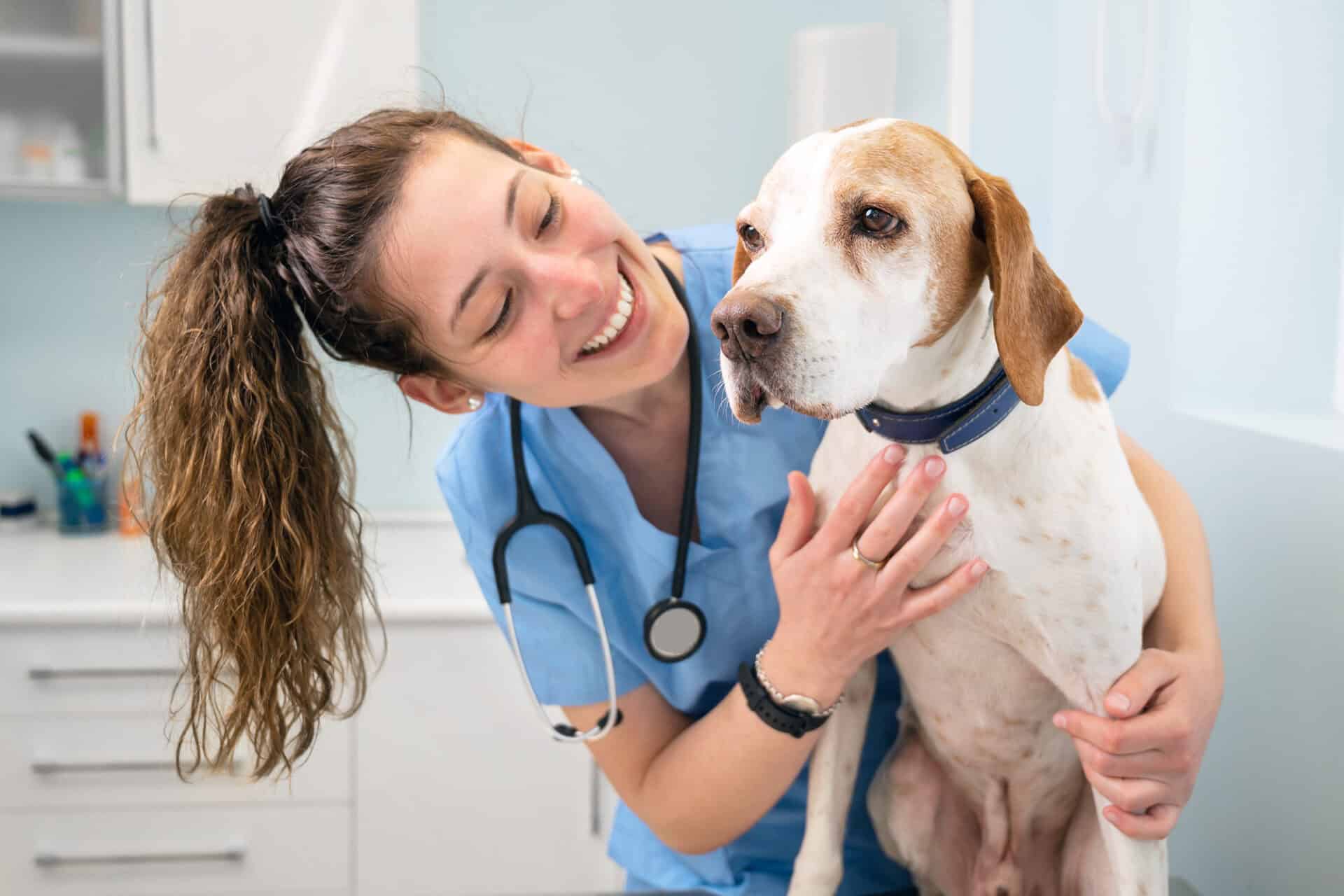
Developing clinical skills is a fundamental part of veterinary nursing. Veterinary nurses carry out a wide variety of tasks, including:
- Monitoring anaesthetics and assisting in theatre.
- Taking blood samples and placing intravenous catheters.
- Bandaging and wound management.
- Running nurse clinics, for example weight management or post‑operative checks.
To qualify as a veterinary nurse, you must complete at least 1,800 hours of training in clinical practice, either through employment or placement. This hands‑on training typically includes:
- Theatre practice – running a surgical suite, assisting with procedures and providing postoperative care.
- Diagnostic techniques – preparing patients for diagnostic imaging and carrying out laboratory tests.
This experience ensures that you are well prepared to handle the demands of the job from day one.
Tip for students and early‑career nurses
Keep brief notes on the skills you develop and cases you find challenging. Combined with targeted CPD modules on communication, confidence and clinical skills, these reflections make a strong portfolio for future roles and promotions. Many students use structured online CPD to support their learning while on placement.
Registration with the RCVS
Registering with the Royal College of Veterinary Surgeons (RCVS) is a crucial step for veterinary nurses. The RCVS is responsible for accrediting veterinary nursing courses and ensuring that professional standards are maintained. To carry out nursing procedures, student nurses must also enrol with the RCVS, which allows them to gain practical experience under supervision.
Throughout your course, you will complete an electronic nursing progress log (NPL) or similar record to document your clinical experience. The RCVS uses this log to confirm that you have met the required training hours and competencies before you can join the register as a qualified veterinary nurse.
Once registered, you must pay an annual fee and meet ongoing CPD requirements to remain on the register. Getting into good habits with tracking your learning from the start will make this much easier later in your career.
Career opportunities and progression
Veterinary nursing offers a wide range of career opportunities and pathways for progression, including:
- First opinion veterinary practice
- Emergency clinics
- Referral hospitals
- Teaching or becoming a clinical coach in practice
- Becoming a head nurse or practice manager
- Veterinary industry, including working for a nutrition or pharmaceutical company
As you gain experience, you may choose to specialise in areas such as anaesthesia, feline nursing, rehabilitation or behaviour. Progression often depends as much on your non‑clinical skills – leadership, communication, organisation and people management – as on your clinical expertise.
Choosing CPD that develops these areas, and working in practices that invest in HR support and training for their teams, can open up many more options later in your career. Tools such as iLearn Veterinary (for CPD) and iTeam Veterinary (for structured HR and rotas) are examples of how modern practices support career development and wellbeing across the team.
Funding your veterinary nursing education
Funding your veterinary nursing education is an important consideration, but fortunately, there are various options available to help manage the costs, including:
- Advanced Learner Loans for eligible college‑based courses.
- Apprenticeships, where your employer and government funding may cover training costs.
- Government student loans and support for first degrees at university.
- Grants, bursaries and scholarships from charities, employers or professional bodies.
Your college or university finance team is a good first point of contact. They can help you understand which funding routes apply to you and how repayments work once you start earning. Some practices also offer help with fees or paid study time as part of wider training and HR packages.
Working conditions and uniform requirements
Veterinary nurses work in environments that can be both physically and emotionally demanding. You may spend long periods on your feet, handle heavy or fractious animals and deal with distressing situations involving seriously ill or injured patients.
Resilience and good self‑care are important. Taking breaks, debriefing after difficult cases and accessing wellbeing support where needed will all help you maintain a healthy work–life balance.
To maintain hygiene and safety, veterinary nurses usually wear uniforms and protective clothing while on duty. Uniforms should ideally be changed into and out of at work and washed at high temperatures (around 60°C) to reduce the risk of spreading infection.
Joining professional associations
Joining professional associations, such as the British Veterinary Nursing Association (BVNA), offers many benefits. Membership can provide:
- Opportunities to network with other veterinary nurses.
- Access to conferences, webinars and publications.
- Support and guidance on employment, clinical issues and professional standards.
- Additional benefits such as discounts, helplines and member‑only resources.
Alongside professional associations, many nurses also use online learning communities and CPD platforms to stay connected, share experiences and keep their skills current. This combination of formal membership and flexible CPD can help you feel more supported throughout your career.
Next steps: plan your training and future career
- Online CPD for veterinary nurses – see examples of the non‑clinical courses you will complete once you are working in practice.
- Online CPD for vets – useful if you are comparing veterinary nursing with the veterinary surgeon route.
- HR and rota software for veterinary practices (iTeam Veterinary) – see how modern practices support their teams with better rotas, HR processes and wellbeing.
Summary
Becoming a veterinary nurse is a rewarding journey that combines a passion for animal care with a commitment to professional excellence. From understanding the role and essential qualifications to gaining practical experience and exploring career opportunities, every step is crucial in shaping a successful career in veterinary nursing. A career that makes a meaningful difference to the lives of pets and their owners.
As you embark on this path, remember that every moment of hard work and learning, whether that is hands-on experience or more formal learning, brings you closer to becoming a skilled and compassionate veterinary nurse.
Frequently Asked Questions
What qualifications do I need to become a veterinary nurse?
To become a veterinary nurse, you need at least 5 GCSEs, including English, Maths, and Science, along with a Level 3 Diploma in Veterinary Nursing or a foundation degree. Pursuing this path will empower you to make a real difference in animal care!
How long does it take to become a registered veterinary nurse?
Most people qualify and register within two to three years, depending on whether they follow an apprenticeship‑style diploma, a full‑time college course or a university degree with placements.
What types of work experience are required for entry on veterinary nursing courses?
It’s important to gain work experience before you apply. Not only will it strengthen your application, but it will also help you decide if veterinary nursing is the right career choice. Try and get a broad range of experience in diverse settings like veterinary practices, kennels, and rehoming centres.
How can I fund my veterinary nursing education?
You can help fund your veterinary nursing education through advanced learner loans, apprenticeships, government loans, and various grants and bursaries. Your university or course provider is a good place to start. They will be able to guide you and help you explore the available options.
What career opportunities are available for veterinary nurses?
Veterinary nurses have diverse career opportunities, from working in clinical settings, rehabilitation and emergency care, to leadership roles or working in veterinary industry.
Is CPD a requirement for veterinary nurses?
Yes. Registered veterinary nurses must complete a minimum number of hours of CPD each year to remain on the RCVS register. Using an online platform such as iLearn Veterinary makes it easier to find relevant courses, complete them around shifts and keep your CPD record up to date. Find out more with our handy guide to vet nurse CPD requirements.