


Free webinar

Creating a positive practice culture

Veterinary team

Build a culture where veterinary teams thrive

A thriving veterinary practice isn’t just defined by its clinical excellence. It’s shaped by its culture – the shared behaviours, values and norms that influence how teams communicate, collaborate and care for patients.

In our latest webinar, Understanding and Influencing Practice Culture, Dan Tipney (Training Director at VetLed) explores how practices can intentionally build environments where teams feel supported, confident and able to deliver consistently high standards of care.

Why culture matters in veterinary practice

Every practice has a culture – whether it has been intentionally shaped or not. It influences everything from patient safety and team wellbeing to staff retention and the ability to handle complex, busy days effectively.

Dan introduces the concept of human factors – the elements that sit between knowing what to do and reliably being able to do it in real-world conditions. These include communication, teamwork, decision-making, leadership and wellbeing.

In aviation and healthcare, human factors training has transformed safety and performance, and the same principles can have a powerful impact in veterinary settings.

Behaviour drives culture…and culture drives behaviour

Culture is ultimately expressed through what people do when no‑one is watching.

Common descriptions include:

“The way we do things around here.”

A shared set of assumptions, values and expectations

The norms that influence what feels acceptable, encouraged or discouraged

Why knowledge alone isn't enough

Knowing what should be done doesn’t always lead to people doing it.

Dan uses the example of:

  • Airline accidents where crews technically knew procedures, but communication, hierarchy or pressure prevented correct action
  • UK drink-driving rates, which only dropped once cultural norms changed – not just when laws were introduced

The takeaway?

Sustainable change happens when behaviours become normalised, not just communicated.

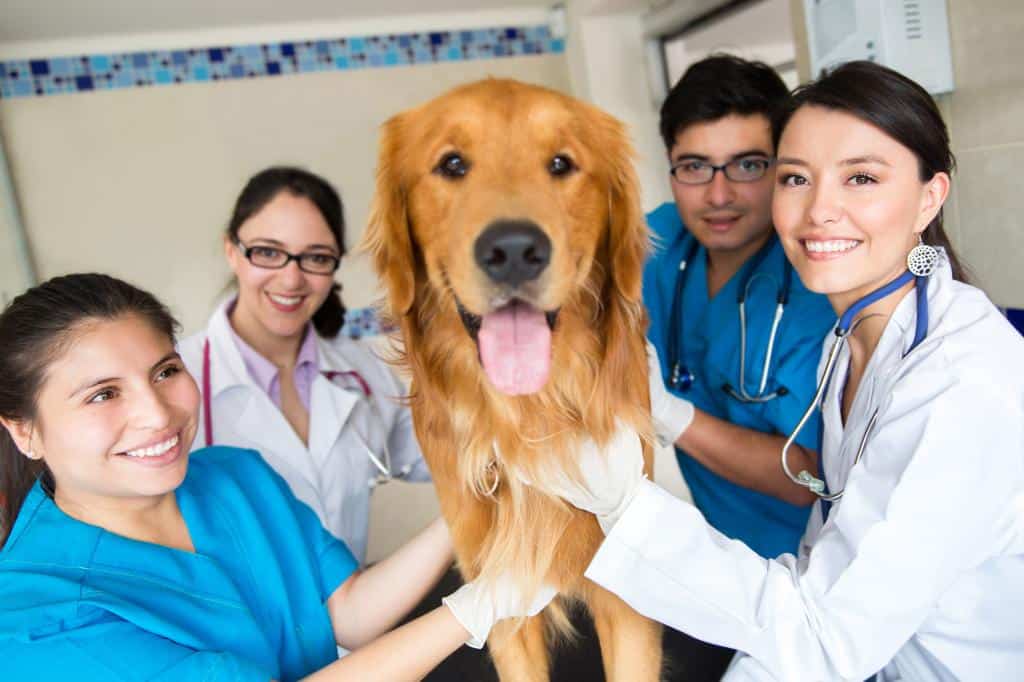
Veterinary team examining a dog

Three drivers of a positive practice culture

Values

Clear, lived values help attract the right people and guide day‑to‑day actions. They must be memorable, visible, and genuinely reflected in leadership behaviour.

Systems and processes

It’s not enough to tell teams to act safely – you must provide the tools to make the right behaviours easy and reliable (for example, checklists, reporting systems, defined roles, or break structures).

Leadership actions

People in influential roles “cast a longer shadow” and significantly shape cultural norms. Their actions – taking breaks, encouraging reporting, giving feedback constructively – signal what is truly acceptable.

The veterinary culture roadmap

No single initiative will transform culture overnight, but consistent attention to these areas builds long term, sustainable change.

Key components include:

  • Arrow icon
    Defining clear values and a meaningful vision
  • Arrow icon
    Leading by example
  • Arrow icon
    Encouraging learning through non blame oriented reporting systems
  • Arrow icon
    Promoting civility and psychological safety
  • Arrow icon
    Hiring for values and attitude, not just technical skills
  • Arrow icon
    Recognising good work and supporting wellbeing
  • Arrow icon
    Reviewing systems, processes and team needs
  • Arrow icon
    Being realistic – each practice has unique limitations, and culture grows gradually

Everyday actions matter

Culture isn’t created in workshops – it’s built through everyday behaviour.

Examples include:

  • Practising leaders visibly taking breaks to model healthy norms
  • Teams using checklists every time, not only when someone is watching
  • Encouraging colleagues to speak up about concerns
  • Using structured tools like the HALT and Civility Saves Lives frameworks
  • Choosing curiosity over criticism when something goes wrong

These seemingly simple behaviours collectively reshape “the way we do things around here.”

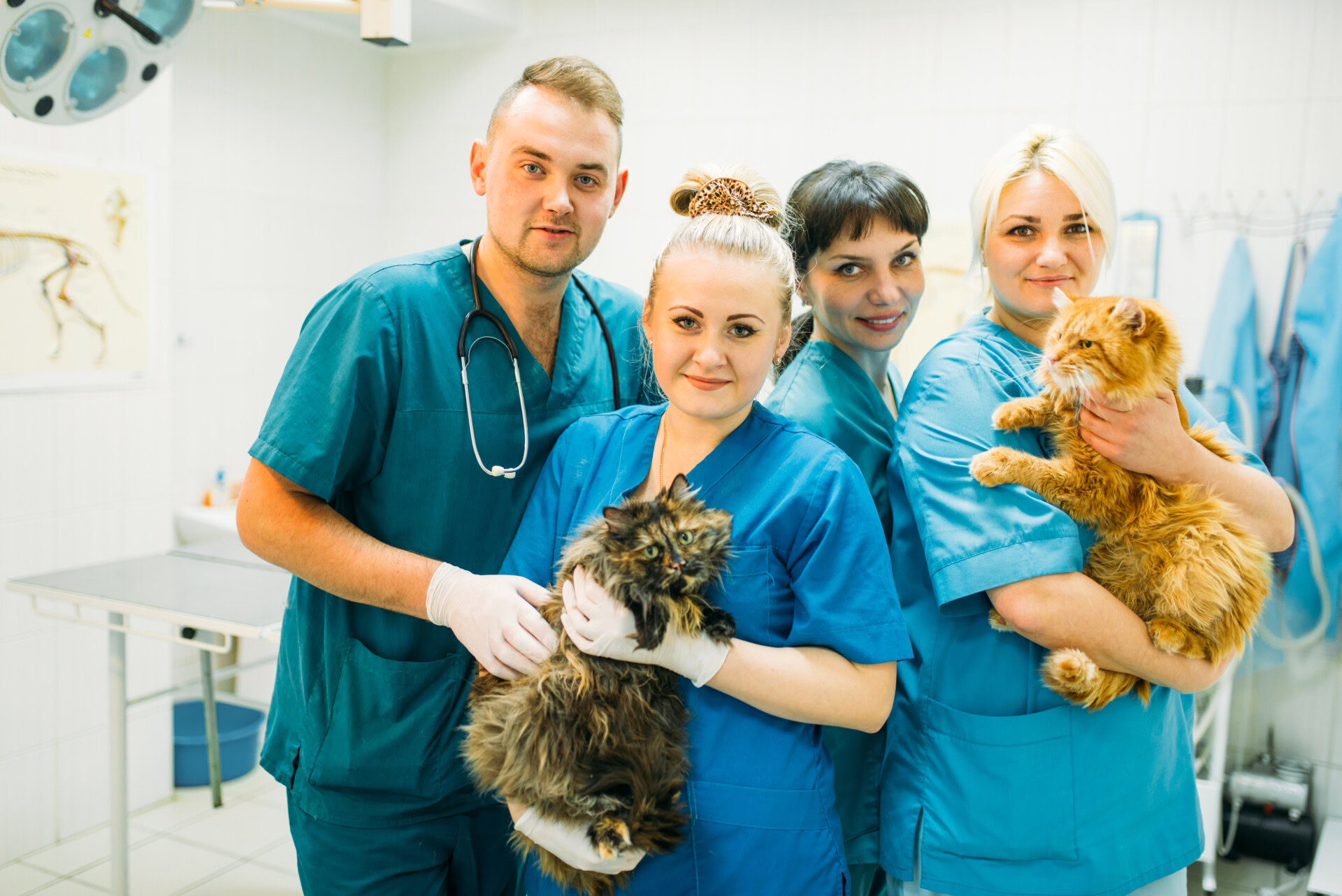
Veterinary team

Can you measure culture?

While culture can’t be measured perfectly, tools such as safety culture surveys, focus groups and observations give valuable insight into:

  • Arrow icon
    How safe people feel to speak up
  • Arrow icon
    How teams perceive leadership
  • Arrow icon
    Where improvements can be made
  • Arrow icon
    How consistent behaviours are across teams and shifts

Measuring doesn’t define culture – but it shines a light on where to act.

Strengthen your practice culture with iLearn

Want to see how iLearn can support culture, CPD and compliance all in one place?
Book a short demo and we’ll walk you through how practices use iLearn to save time, cut admin and build happier teams.

Free CPD on iLearn Veterinary

Young male veterinary nurse treating a Labrador

The importance of positive practice culture

This course explores the significance of a positive practice culture and provides actionable strategies for fostering an environment where all team members thrive. Whether you’re a leader or part of the team, understanding how to cultivate a positive culture is essential for enhancing communication, collaboration, and overall practice success.

A person placing sticky notes on a table, each with a face drawn to show different feelings

Five things relating to mental health that everyone in vet practice should know

This course adopts a problem-based approach to analysing wellbeing within veterinary practice by using CSI (Culture-Systems-Individuals) as a practical means of analysing and identifying the cultural, operational, and individual themes that are counter-productive to protecting our mental health.

A team of veterinary professionals gathered around a Retriever

Understanding the Veterinary Profession Better

This course covers the difference between the veterinary profession and the veterinary industry and details the various types of veterinary practices and veterinary professionals within it.

A young animal care assistant holding a cat

Veterinary Animal Care Assistant Award – Bronze Level 1

This course is designed for those aspiring towards a career in animal care and need a starting point into the role, or for those who are already employed in veterinary practice in this role and wish to develop their knowledge and skills.

Wooden letter blocks spell out "Words have Power"

The psychology of ‘having a quiet word’ with misbehaving colleagues

This course aims to provide learners with knowledge and understanding of how we can prevent frustrating behaviour using many of the day-to-day management processes that represent a ‘soft’ approach to learning and development.