
RCVS CPD requirements: complete guide for vets and vet nurses (2026)


Agilio Team
Summary
– Veterinary surgeons must complete, record and reflect on 35 hours of CPD every calendar year.
– Registered veterinary nurses must complete 15 hours of CPD annually. Hours cannot be rolled over.
– Non-clinical CPD counts – communication, management, HR, business skills and wellbeing all qualify.
– All CPD must be logged using the RCVS 1CPD app, which is free to download.
– iLearn by Agilio Software offers 100+ non-clinical CPD courses, with 9 hours available free.
Veterinary professionals in the UK are required by the Royal College of Veterinary Surgeons (RCVS) to complete continuing professional development (CPD) every year. The requirements differ between veterinary surgeons and registered veterinary nurses, and cover both clinical and non-clinical learning. This guide explains exactly what the RCVS CPD requirements are, what counts, how to log it, and how iLearn by Agilio Software can help your practice meet them.
How many CPD hours do vets need each year?
Veterinary surgeons registered with the RCVS must complete, record and reflect on 35 hours of CPD every calendar year. The requirement runs from 1 January to 31 December, and hours cannot be rolled over from one year to the next.
The 35-hour requirement was introduced as part of the RCVS’s shift to an outcomes-based CPD framework. Rather than simply logging hours, vets are expected to reflect on what they have learned and how it has, or will, change their practice.
CPD does not all need to be formal or paid-for learning. The RCVS recognises a wide range of activities as qualifying CPD, including:
- Online courses and webinars
- In-person lectures, conferences and workshops
- Self-directed reading of journals or textbooks
- In-practice case discussions with colleagues
- Practical attendance courses and wet labs
- Shadowing colleagues or observing procedures
The key principle is that the activity must be relevant to your role. There is no requirement for it to be clinical.
How many CPD hours do veterinary nurses need?
Registered veterinary nurses (RVNs) must complete, record and reflect on 15 hours of CPD every calendar year. As with vets, hours cannot be rolled over, and the requirement applies regardless of whether the nurse works full-time, part-time or as a locum. For further detail on vet nurse CPD, see our guide to veterinary nurse CPD requirements.
What counts as CPD for RCVS purposes?
The RCVS takes a broad view of what qualifies as CPD. Anything that is relevant to your role can count, provided it is recorded and reflected on. The RCVS does not prescribe a list of approved topics or providers.
Clinical CPD
Clinical CPD covers learning directly related to veterinary medicine and surgery – for example, anaesthesia techniques, diagnostic imaging, pharmacology updates, emergency and critical care, or species-specific clinical skills. Most vets and nurses will include some clinical CPD in their annual plan.
Non-clinical CPD
Non-clinical CPD covers learning that improves how veterinary professionals work, communicate and lead. The RCVS does not prescribe clinical hours or specific topic areas – anything relevant to your role counts. That includes non-clinical topics such as communication skills, management, HR, business skills, and wellbeing.

Learners who complete management, HR or business skills training through iLearn can log those hours directly as RCVS CPD – and iLearn offers over 9 hours of free veterinary CPD to get started.
Does non-clinical CPD count towards RCVS requirements?
Yes. The RCVS confirms that non-clinical learning counts towards mandatory CPD hours for both veterinary surgeons and registered veterinary nurses. This is one of the most commonly misunderstood aspects of the RCVS CPD framework.
Non-clinical topics that qualify include:
- Communication skills and consulting skills
- Client care and complaint handling
- Practice management and leadership
- Human resources and employment law
- Business and financial management
- Equality, diversity and inclusion
- Mental health, wellbeing and stress management
- Health and safety compliance
- GDPR and data protection
iLearn by Agilio Software specialises in non-clinical CPD for the whole veterinary practice team, including vets, nurses, receptionists, veterinary care assistants and practice managers. All completed courses generate a CPD certificate that can be saved and attached to your activity record in the RCVS 1CPD platform. You can explore the full iLearn veterinary course library or access 9 hours of free CPD today.
How should vets record and log their CPD?
All CPD must be logged using the RCVS 1CPD platform. The 1CPD app is free to download and use for all registered vets and veterinary nurses. It is available on iOS and Android, as well as via desktop browser.
When logging CPD in the 1CPD app, you will need to record:
- The name and type of activity
- The date it was completed
- The number of hours it took
- A reflection on what you learned and how it will affect your practice
The RCVS recommends recording CPD as you go rather than retrospectively at the end of the year. This makes reflection more accurate and reduces the risk of forgetting learning activities completed earlier in the year.
iLearn automatically generates CPD certificates on course completion. These can be saved and uploaded to the 1CPD platform to support your log entry.
What happens if you do not meet the RCVS CPD requirements?
If you are non-compliant you must declare this on your annual renewal, and you may then be included in a CPD audit where the RCVS reviews your records and asks for a plan to meet the requirement going forward.
For practice managers, ensuring your whole team is meeting their CPD requirements is part of your compliance responsibilities, particularly if your practice is accredited under the RCVS Practice Standards Scheme (PSS). A centralised CPD tracking system, such as the manager dashboard available in iLearn for Teams, makes it straightforward to monitor completion across the whole practice.
How can iLearn help your practice meet its RCVS CPD requirements?
If you are looking for non-clinical CPD to count towards your annual hours, iLearn by Agilio Software offers over 9 hours of free veterinary CPD . Courses cover wellbeing, communication, leadership and practice management, and certificates are generated automatically on completion.
FAQs
Veterinary surgeons registered with the RCVS must complete, record and reflect on 35 hours of CPD every calendar year. Hours cannot be rolled over from one year to the next.
Registered veterinary nurses must complete, record and reflect on 15 hours of CPD every calendar year. The requirement applies whether the nurse works full-time, part-time or as a locum.
Yes. The RCVS confirms that non-clinical learning counts towards mandatory CPD hours. This includes communication skills, management, HR, business, wellbeing, equality and diversity, and health and safety training.
All CPD must be logged using the RCVS 1CPD app, which is free to download on iOS, Android, and via desktop browser. You need to record the activity, date, hours, and a reflection on what you learned.
Yes. Courses completed on iLearn generate CPD certificates that can be saved and attached to your activity record in the RCVS 1CPD platform. All iLearn courses are non-clinical and count towards the annual RCVS CPD requirement for vets and vet nurses.
Yes. The RCVS recognises informal learning as CPD, including in-practice case discussions, shadowing colleagues, self-directed reading, and team meetings focused on learning. All activities must be recorded and reflected on in the 1CPD app.
You may be interested in
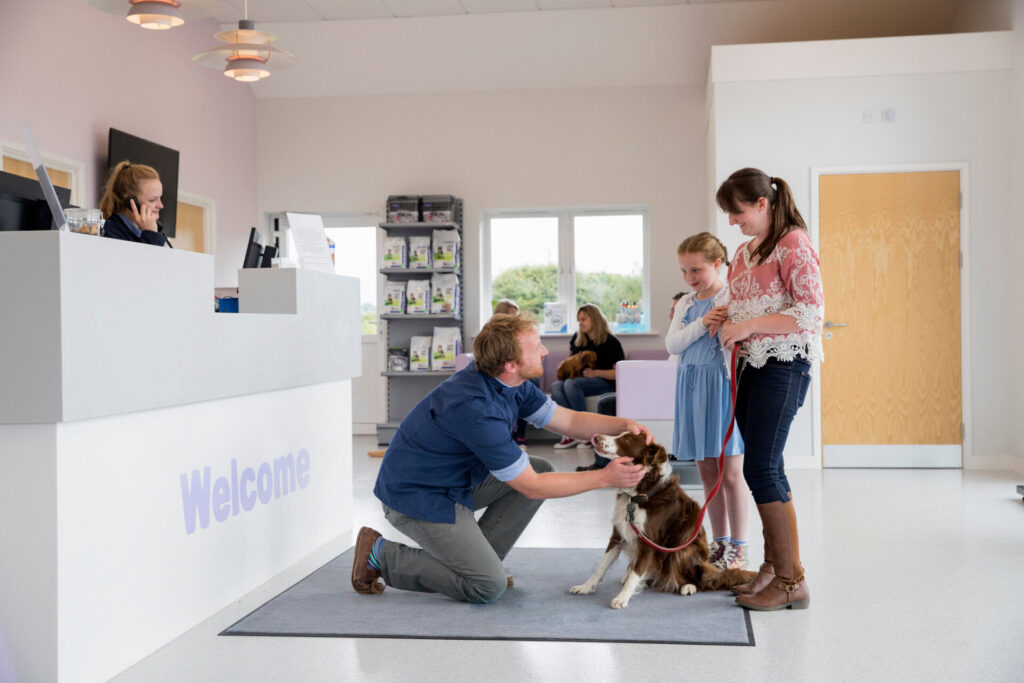
Why pricing complaints are often a communication problem, not a cost problem
The CMA received more than 45,000 responses from pet owners flagging concerns about rising veterinary bills, sparking a profession-wide conversation about pricing . With the outcome of the investigation emphasising cost transparency, veterinary practices may need to review how pricing information, estimates and treatment options are communicated to clients. For many teams, this will be…
Veterinary Nursing Awareness Month 2026: recognising your nursing team in a year of real change
2026 has not been a quiet year for veterinary practice. The CMA published its final decision in March, bringing confirmed changes that will affect how practices operate, communicate with clients and handle prescriptions. The ongoing push for legislative protection of the veterinary nurse title has continued to gather pace and across the profession, the pressure…
The state of the UK veterinary workforce in 2026: what the data tells us
Nine in ten vets and vet nurses describe their work as stressful. If you are running a veterinary practice, you already know what sits behind that number. The question is what to do about it. The RCVS Survey of the Professions is the most comprehensive look at the UK veterinary workforce, conducted every four to…